What Is Basal Cell Hyperplasia Esophagus
What Is Basal Cell Hyperplasia Esophagus - Basal cell hyperplasia is defined as more than 15% of the. Human esophageal endoscopic biopsy specimens stained with hematoxylin & eosln were evaluated for basal cell content. Hyperplasia also complicates other forms of esophagitis so that it is not specific for gerd. Basal cell hyperplasia (bch) scoring system. The information here is meant to help you understand medical terms you might find in your pathology report after an esophageal biopsy. Basal cell hyperplasia is a reversible change that disappears with treatment. Increased mitoses, slight enlargement of basal and suprabasal nuclei, and prominent nucleoli and hyperchromatism are features often associated with true basal cell.
Basal cell hyperplasia (bch) scoring system. Basal cell hyperplasia is a reversible change that disappears with treatment. Human esophageal endoscopic biopsy specimens stained with hematoxylin & eosln were evaluated for basal cell content. Increased mitoses, slight enlargement of basal and suprabasal nuclei, and prominent nucleoli and hyperchromatism are features often associated with true basal cell. The information here is meant to help you understand medical terms you might find in your pathology report after an esophageal biopsy. Basal cell hyperplasia is defined as more than 15% of the. Hyperplasia also complicates other forms of esophagitis so that it is not specific for gerd.
Basal cell hyperplasia is defined as more than 15% of the. Basal cell hyperplasia (bch) scoring system. The information here is meant to help you understand medical terms you might find in your pathology report after an esophageal biopsy. Increased mitoses, slight enlargement of basal and suprabasal nuclei, and prominent nucleoli and hyperchromatism are features often associated with true basal cell. Hyperplasia also complicates other forms of esophagitis so that it is not specific for gerd. Basal cell hyperplasia is a reversible change that disappears with treatment. Human esophageal endoscopic biopsy specimens stained with hematoxylin & eosln were evaluated for basal cell content.
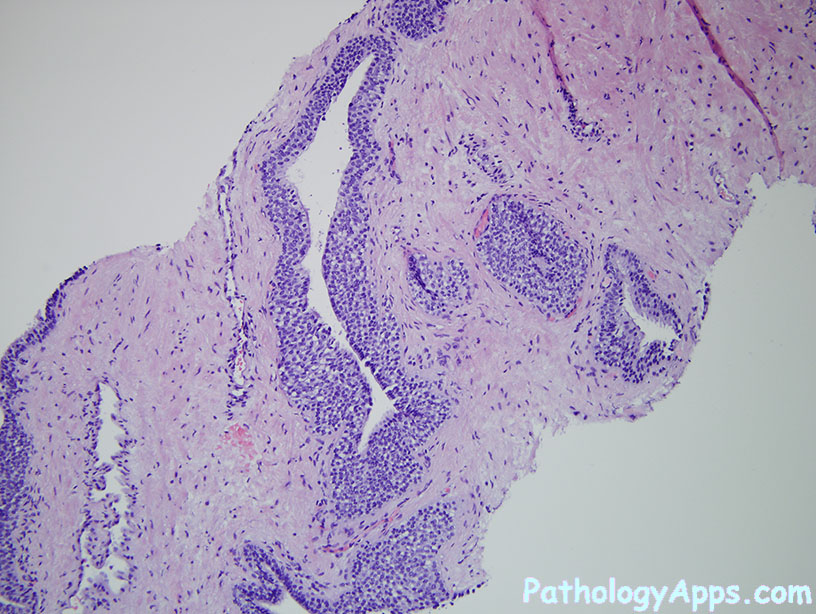
Expand All Collapse All
Increased mitoses, slight enlargement of basal and suprabasal nuclei, and prominent nucleoli and hyperchromatism are features often associated with true basal cell. Basal cell hyperplasia is defined as more than 15% of the. The information here is meant to help you understand medical terms you might find in your pathology report after an esophageal biopsy. Human esophageal endoscopic biopsy specimens.
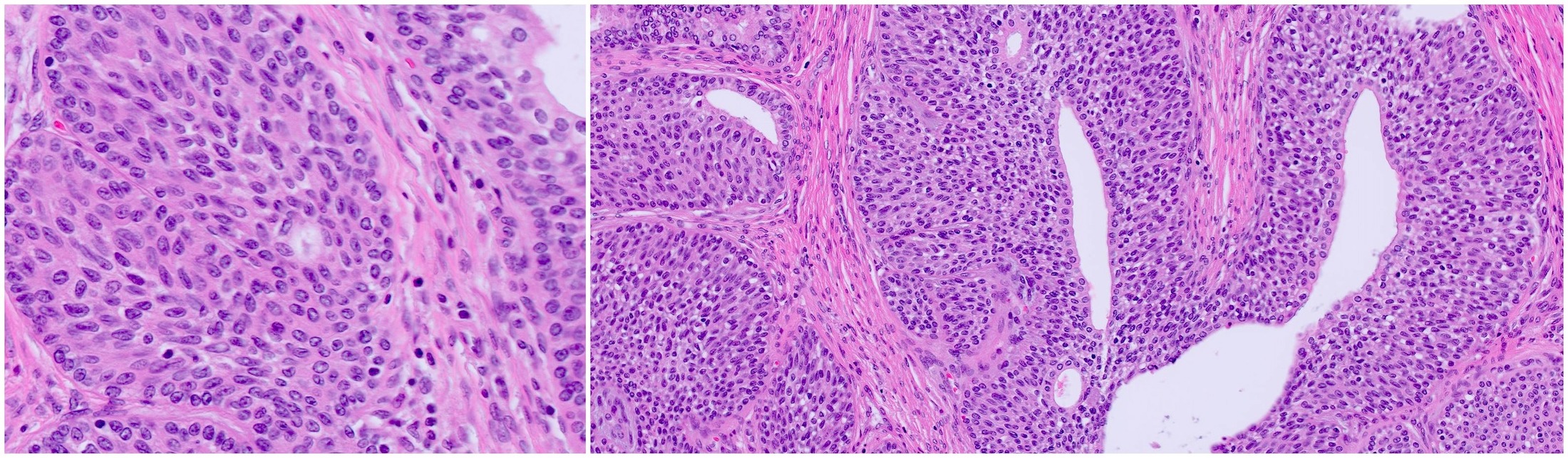
Basal Cell Hyperplasia Prostate
The information here is meant to help you understand medical terms you might find in your pathology report after an esophageal biopsy. Basal cell hyperplasia is defined as more than 15% of the. Basal cell hyperplasia (bch) scoring system. Human esophageal endoscopic biopsy specimens stained with hematoxylin & eosln were evaluated for basal cell content. Increased mitoses, slight enlargement of.

Distal esophageal squamous mucosa showing basal cell hyperplasia (>15
Basal cell hyperplasia (bch) scoring system. Basal cell hyperplasia is a reversible change that disappears with treatment. Increased mitoses, slight enlargement of basal and suprabasal nuclei, and prominent nucleoli and hyperchromatism are features often associated with true basal cell. Hyperplasia also complicates other forms of esophagitis so that it is not specific for gerd. The information here is meant to.

Basal cell hyperplasia >50 of the epithelial thickness (H& X200
Basal cell hyperplasia is a reversible change that disappears with treatment. Hyperplasia also complicates other forms of esophagitis so that it is not specific for gerd. The information here is meant to help you understand medical terms you might find in your pathology report after an esophageal biopsy. Basal cell hyperplasia (bch) scoring system. Increased mitoses, slight enlargement of basal.
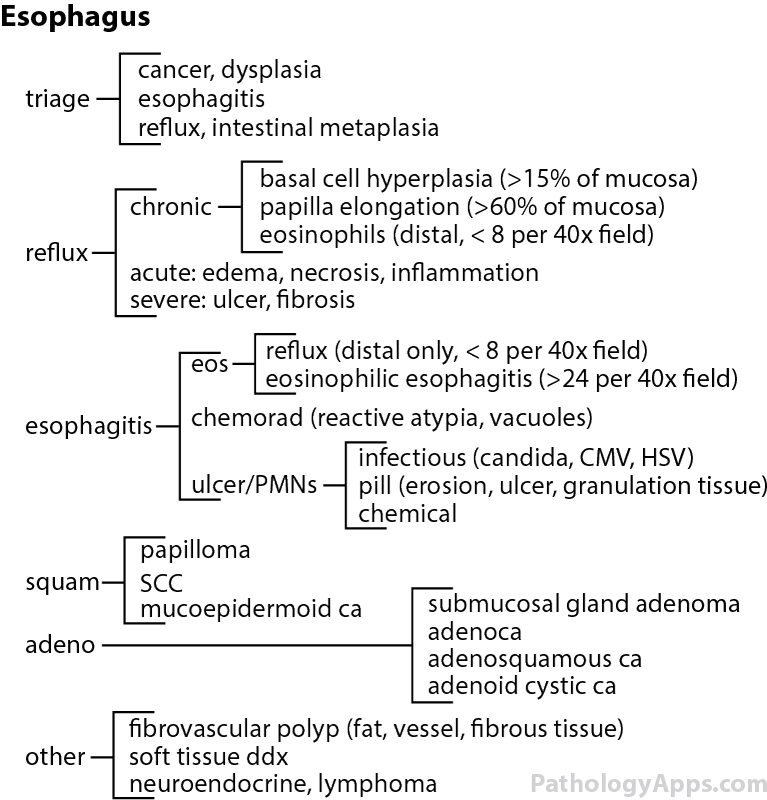
esophagus pathology
Hyperplasia also complicates other forms of esophagitis so that it is not specific for gerd. The information here is meant to help you understand medical terms you might find in your pathology report after an esophageal biopsy. Increased mitoses, slight enlargement of basal and suprabasal nuclei, and prominent nucleoli and hyperchromatism are features often associated with true basal cell. Basal.

Esophageal epithelium with severe basal layer hyperplasia, papillary
Basal cell hyperplasia is a reversible change that disappears with treatment. Hyperplasia also complicates other forms of esophagitis so that it is not specific for gerd. The information here is meant to help you understand medical terms you might find in your pathology report after an esophageal biopsy. Increased mitoses, slight enlargement of basal and suprabasal nuclei, and prominent nucleoli.
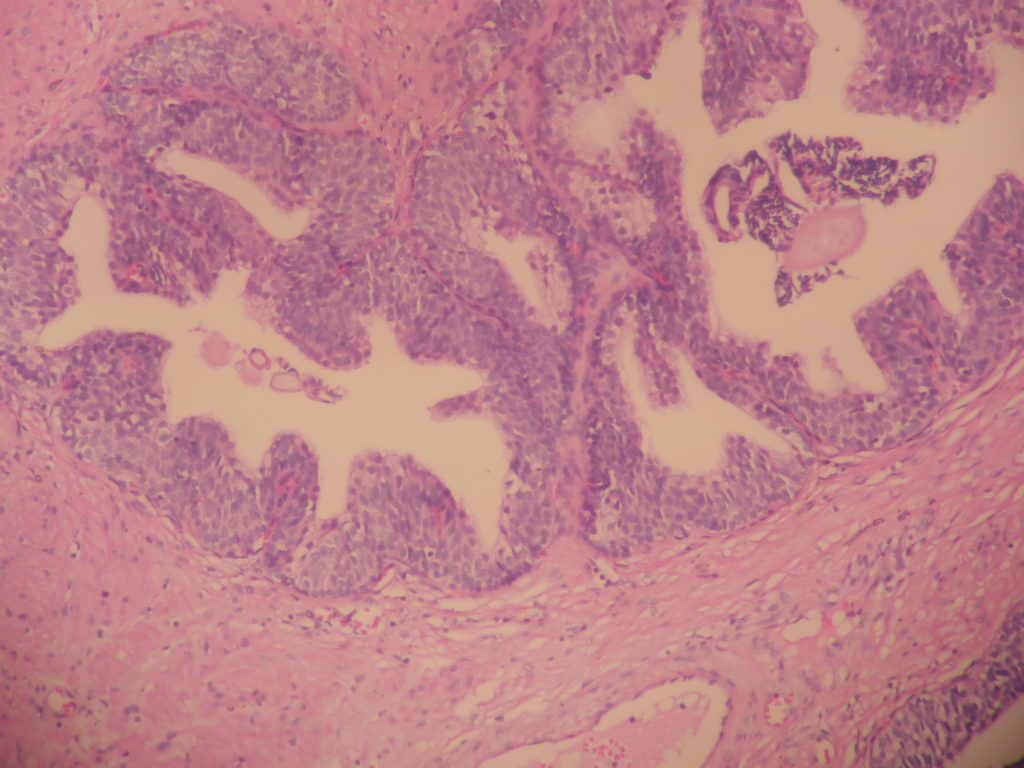
Basal cell hyperplasia prostate Histopathology.guru
Basal cell hyperplasia is defined as more than 15% of the. Human esophageal endoscopic biopsy specimens stained with hematoxylin & eosln were evaluated for basal cell content. Increased mitoses, slight enlargement of basal and suprabasal nuclei, and prominent nucleoli and hyperchromatism are features often associated with true basal cell. Basal cell hyperplasia (bch) scoring system. Basal cell hyperplasia is a.
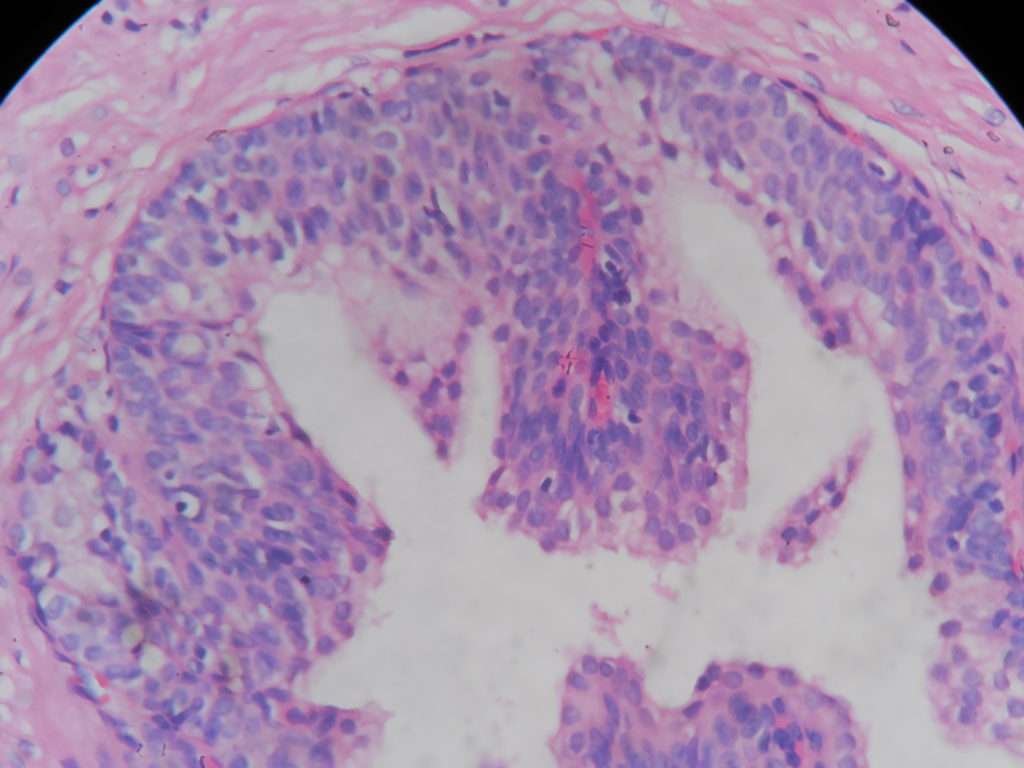
Basal cell hyperplasia prostate Histopathology.guru
Human esophageal endoscopic biopsy specimens stained with hematoxylin & eosln were evaluated for basal cell content. Basal cell hyperplasia (bch) scoring system. The information here is meant to help you understand medical terms you might find in your pathology report after an esophageal biopsy. Basal cell hyperplasia is a reversible change that disappears with treatment. Hyperplasia also complicates other forms.

Histopathology in PE. ( ) Esophageal mucosa showing basal cell
Basal cell hyperplasia (bch) scoring system. Human esophageal endoscopic biopsy specimens stained with hematoxylin & eosln were evaluated for basal cell content. The information here is meant to help you understand medical terms you might find in your pathology report after an esophageal biopsy. Basal cell hyperplasia is defined as more than 15% of the. Basal cell hyperplasia is a.

Basal cell hyperplasia is associated with decreased BMP signaling in a
The information here is meant to help you understand medical terms you might find in your pathology report after an esophageal biopsy. Basal cell hyperplasia (bch) scoring system. Hyperplasia also complicates other forms of esophagitis so that it is not specific for gerd. Increased mitoses, slight enlargement of basal and suprabasal nuclei, and prominent nucleoli and hyperchromatism are features often.
Basal Cell Hyperplasia (Bch) Scoring System.
Basal cell hyperplasia is defined as more than 15% of the. Hyperplasia also complicates other forms of esophagitis so that it is not specific for gerd. Human esophageal endoscopic biopsy specimens stained with hematoxylin & eosln were evaluated for basal cell content. Increased mitoses, slight enlargement of basal and suprabasal nuclei, and prominent nucleoli and hyperchromatism are features often associated with true basal cell.
Basal Cell Hyperplasia Is A Reversible Change That Disappears With Treatment.
The information here is meant to help you understand medical terms you might find in your pathology report after an esophageal biopsy.