What Is Thickening Of The Distal Esophagus
What Is Thickening Of The Distal Esophagus - It may be physiological, and can. Esophageal wall thickening can be observed in a number of situations and can be either focal or diffuse. Distal esophageal wall thickening, specifically affecting the lower portion of the esophagus, can result from various underlying. Hiatal hernias with distal esophageal wall thickening may cause a range of symptoms, including: Esophageal wall thickening refers to the abnormal thickening of the walls of the esophagus, the muscular tube that connects the throat to the. Mild thickening of distal esophagus means that there is some thickening of lower end of the esophagus( a tube that carries food from mouth to. Anomalies such as thickening can be indicative of. A burning sensation in the chest, often. The esophagus appears as a tubular structure that can be evaluated for changes in wall thickness.
Esophageal wall thickening refers to the abnormal thickening of the walls of the esophagus, the muscular tube that connects the throat to the. Hiatal hernias with distal esophageal wall thickening may cause a range of symptoms, including: It may be physiological, and can. A burning sensation in the chest, often. Distal esophageal wall thickening, specifically affecting the lower portion of the esophagus, can result from various underlying. Mild thickening of distal esophagus means that there is some thickening of lower end of the esophagus( a tube that carries food from mouth to. Esophageal wall thickening can be observed in a number of situations and can be either focal or diffuse. Anomalies such as thickening can be indicative of. The esophagus appears as a tubular structure that can be evaluated for changes in wall thickness.
Esophageal wall thickening can be observed in a number of situations and can be either focal or diffuse. Anomalies such as thickening can be indicative of. Distal esophageal wall thickening, specifically affecting the lower portion of the esophagus, can result from various underlying. Mild thickening of distal esophagus means that there is some thickening of lower end of the esophagus( a tube that carries food from mouth to. Hiatal hernias with distal esophageal wall thickening may cause a range of symptoms, including: It may be physiological, and can. Esophageal wall thickening refers to the abnormal thickening of the walls of the esophagus, the muscular tube that connects the throat to the. A burning sensation in the chest, often. The esophagus appears as a tubular structure that can be evaluated for changes in wall thickness.

Abdominal CT, thickening of distal esophagus (white arrow) is evident
Esophageal wall thickening can be observed in a number of situations and can be either focal or diffuse. It may be physiological, and can. The esophagus appears as a tubular structure that can be evaluated for changes in wall thickness. A burning sensation in the chest, often. Distal esophageal wall thickening, specifically affecting the lower portion of the esophagus, can.

Noncontrasted computed tomography noting circumferential thickening of
The esophagus appears as a tubular structure that can be evaluated for changes in wall thickness. A burning sensation in the chest, often. Esophageal wall thickening refers to the abnormal thickening of the walls of the esophagus, the muscular tube that connects the throat to the. Hiatal hernias with distal esophageal wall thickening may cause a range of symptoms, including:.

PETCT with a clear circular wall thickening of the distal esophagus
Esophageal wall thickening can be observed in a number of situations and can be either focal or diffuse. The esophagus appears as a tubular structure that can be evaluated for changes in wall thickness. A burning sensation in the chest, often. Mild thickening of distal esophagus means that there is some thickening of lower end of the esophagus( a tube.

CT scan showing circumferential thickening of the distal esophagus
Anomalies such as thickening can be indicative of. Hiatal hernias with distal esophageal wall thickening may cause a range of symptoms, including: Mild thickening of distal esophagus means that there is some thickening of lower end of the esophagus( a tube that carries food from mouth to. The esophagus appears as a tubular structure that can be evaluated for changes.

Anatomy of Distal Esophagus and Stomach Diagram Quizlet
Hiatal hernias with distal esophageal wall thickening may cause a range of symptoms, including: It may be physiological, and can. Distal esophageal wall thickening, specifically affecting the lower portion of the esophagus, can result from various underlying. A burning sensation in the chest, often. Esophageal wall thickening can be observed in a number of situations and can be either focal.

Uneven thickening of the distal esophagus and cardia on the CT scan
Esophageal wall thickening refers to the abnormal thickening of the walls of the esophagus, the muscular tube that connects the throat to the. Hiatal hernias with distal esophageal wall thickening may cause a range of symptoms, including: Distal esophageal wall thickening, specifically affecting the lower portion of the esophagus, can result from various underlying. The esophagus appears as a tubular.

Tomography with thickening of the distal esophagus and parietal
Mild thickening of distal esophagus means that there is some thickening of lower end of the esophagus( a tube that carries food from mouth to. Distal esophageal wall thickening, specifically affecting the lower portion of the esophagus, can result from various underlying. The esophagus appears as a tubular structure that can be evaluated for changes in wall thickness. Anomalies such.

Healing mucosal ischemia from upper, mid and distal esophagus
It may be physiological, and can. Esophageal wall thickening can be observed in a number of situations and can be either focal or diffuse. Distal esophageal wall thickening, specifically affecting the lower portion of the esophagus, can result from various underlying. The esophagus appears as a tubular structure that can be evaluated for changes in wall thickness. Esophageal wall thickening.

Pathology of Esophagus PDF Esophagus Gastroesophageal Reflux Disease
Anomalies such as thickening can be indicative of. Esophageal wall thickening can be observed in a number of situations and can be either focal or diffuse. The esophagus appears as a tubular structure that can be evaluated for changes in wall thickness. Distal esophageal wall thickening, specifically affecting the lower portion of the esophagus, can result from various underlying. Esophageal.
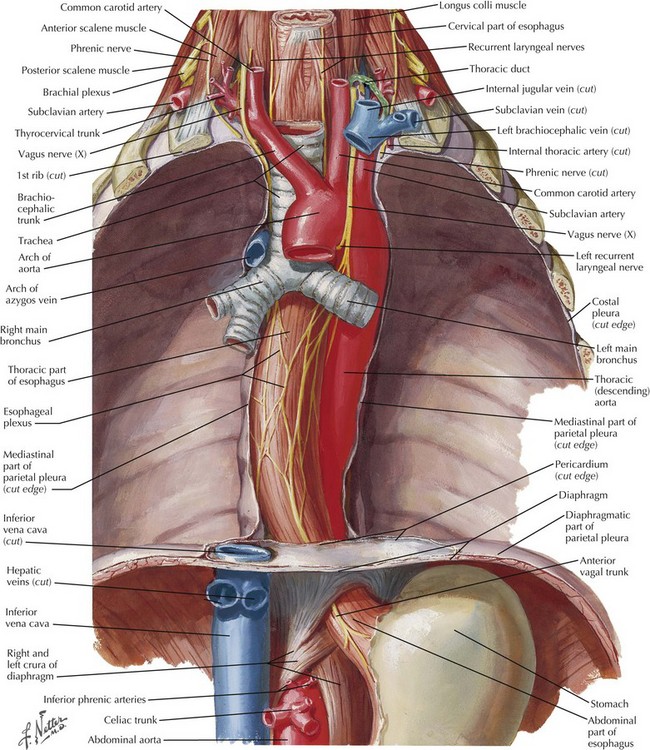
Esophagus Anatomy Distal Proximal
Anomalies such as thickening can be indicative of. Hiatal hernias with distal esophageal wall thickening may cause a range of symptoms, including: It may be physiological, and can. Esophageal wall thickening can be observed in a number of situations and can be either focal or diffuse. The esophagus appears as a tubular structure that can be evaluated for changes in.
Esophageal Wall Thickening Can Be Observed In A Number Of Situations And Can Be Either Focal Or Diffuse.
The esophagus appears as a tubular structure that can be evaluated for changes in wall thickness. A burning sensation in the chest, often. Mild thickening of distal esophagus means that there is some thickening of lower end of the esophagus( a tube that carries food from mouth to. Esophageal wall thickening refers to the abnormal thickening of the walls of the esophagus, the muscular tube that connects the throat to the.
It May Be Physiological, And Can.
Distal esophageal wall thickening, specifically affecting the lower portion of the esophagus, can result from various underlying. Anomalies such as thickening can be indicative of. Hiatal hernias with distal esophageal wall thickening may cause a range of symptoms, including: